
NDIS Participants, Support Coordinators & Plan Managers
Physio-led NDIS Short Term Respite in regional Victoria
A clinical, physiotherapist-led respite and capacity-building stay in Benalla, mapped to a participant's plan goals. Not a wellness holiday, and we won't pretend it is.
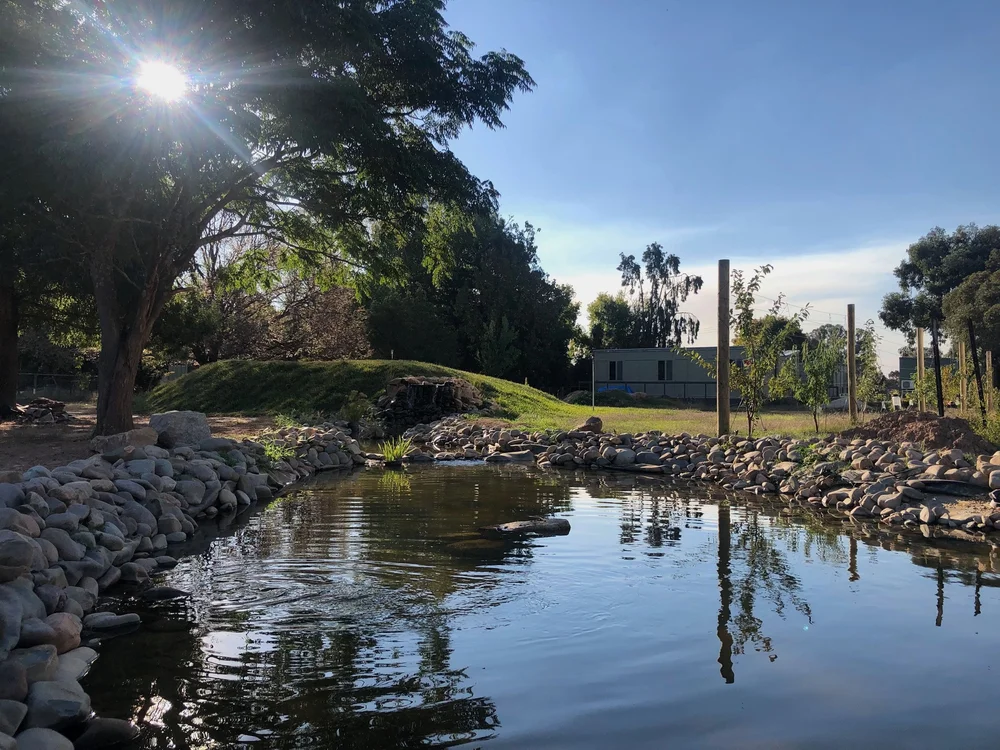
Little Farm of Calm is not a standard wellness holiday. We are a clinical, physio-led facility run by an AHPRA-registered physiotherapist and an ESSA-accredited exercise physiologist.
For NDIS participants dealing with physical fatigue, deconditioning, or a need for genuine carer respite, we offer a structured, low-stimulation environment built to support physical recovery and capacity building. The clinical work sits in a physiotherapist's and exercise physiologist's lane: the body, movement, and rehabilitation. We are clear about where that lane ends, and you'll find those boundaries set out plainly further down.
We currently work with self-managed and plan-managed participants.
Navigating NDIS funding and compliance
The NDIA has rightly tightened the rules on non-compliant "wellness retreats", and we think that's a good thing. Since October 2024, holidays and tourism are excluded, and Short Term Accommodation has been renamed Short Term Respite (STR), unbundled, and now requires itemised invoicing and clear evidence that a stay is disability-related respite tied to plan goals.
Because our facility is led by registered health professionals, our program is built on structured, evidence-based rehabilitation, and our supports are mapped explicitly to a participant's plan goals. We do not issue generic STR invoices, and we don't bill non-evidence-based therapies to the NDIS.
What we need from Support Coordinators or Plan Managers
Before we draft a Service Agreement or confirm a booking, please provide:
- The participant's specific goals. What the participant is working toward, for example building independence, improving physical mobility and conditioning, or community participation.
- The funding line items you intend to use. You nominate them; we map our clinical activities to them. Subject to the participant's plan and your assessment, our supports typically sit within categories such as Assistance with Social, Economic and Community Participation, including recreation and wellbeing activities (respite / STR), Capacity Building – Improved Health and Wellbeing (exercise physiology, dietetics), and Capacity Building – Improved Daily Living (allied health and physiotherapy).
Once you provide these, we map our specific physio-led activities directly to the goals so your Plan Manager has clean, defensible line items to process.
What an NDIS stay looks like
The environment is designed to reduce sensory load and everyday demand, so recovery is the only job.
Clinical support
On the 5-Day Burnout Prescription, an individual clinical assessment with an AHPRA-registered physiotherapist is included. For the Weekend, a one-to-one physiotherapy consult can be arranged by telehealth before arrival (and may be separately billable). During the stay, physiotherapy and exercise-physiology sessions are delivered in a small group setting.
A low-stimulation environment
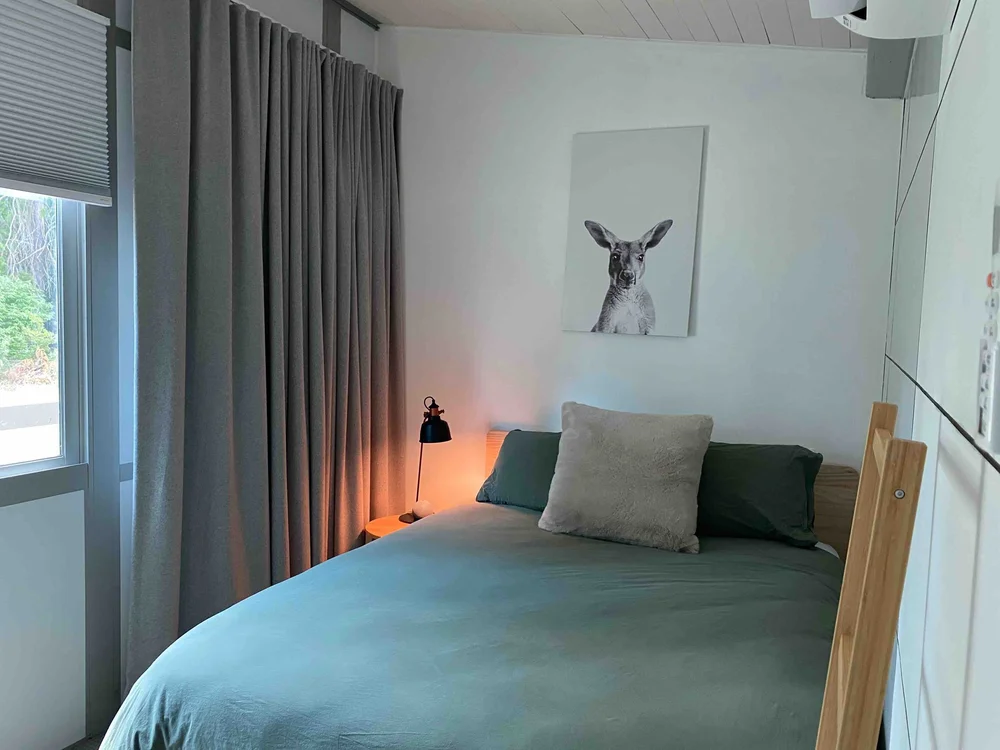
Private, self-contained ensuite cabins with blackout blinds, blue-light-reducing evening protocols, and quiet spaces to retreat to. Designed to lower cognitive and sensory demand, not add to it.
Physio-led movement and hydrotherapy
Guided movement and physio-led hydrotherapy sessions, delivered by our clinicians as part of the allied-health and capacity-building supports.
Recreation and wellbeing activities
The float tank, infrared sauna, red light room, magnesium pool and mineral spa are offered as recreation and community-participation activities during the stay. Which of these map to a participant's funding depends on their plan and goals, and is nominated by your Support Coordinator or Plan Manager.
Nutritional support and low-demand daily structure
When you're depleted, planning and preparing meals can feel impossible. During the stay, meals are fully supported, and we use mealtimes as a low-demand framework to model simple, anti-inflammatory choices participants can take home.
Funding note: in line with NDIS rules on everyday living expenses, funding covers the support and capacity-building elements, not the food itself. A small self-funded co-payment covers the raw cost of groceries, invoiced separately.
Community participation
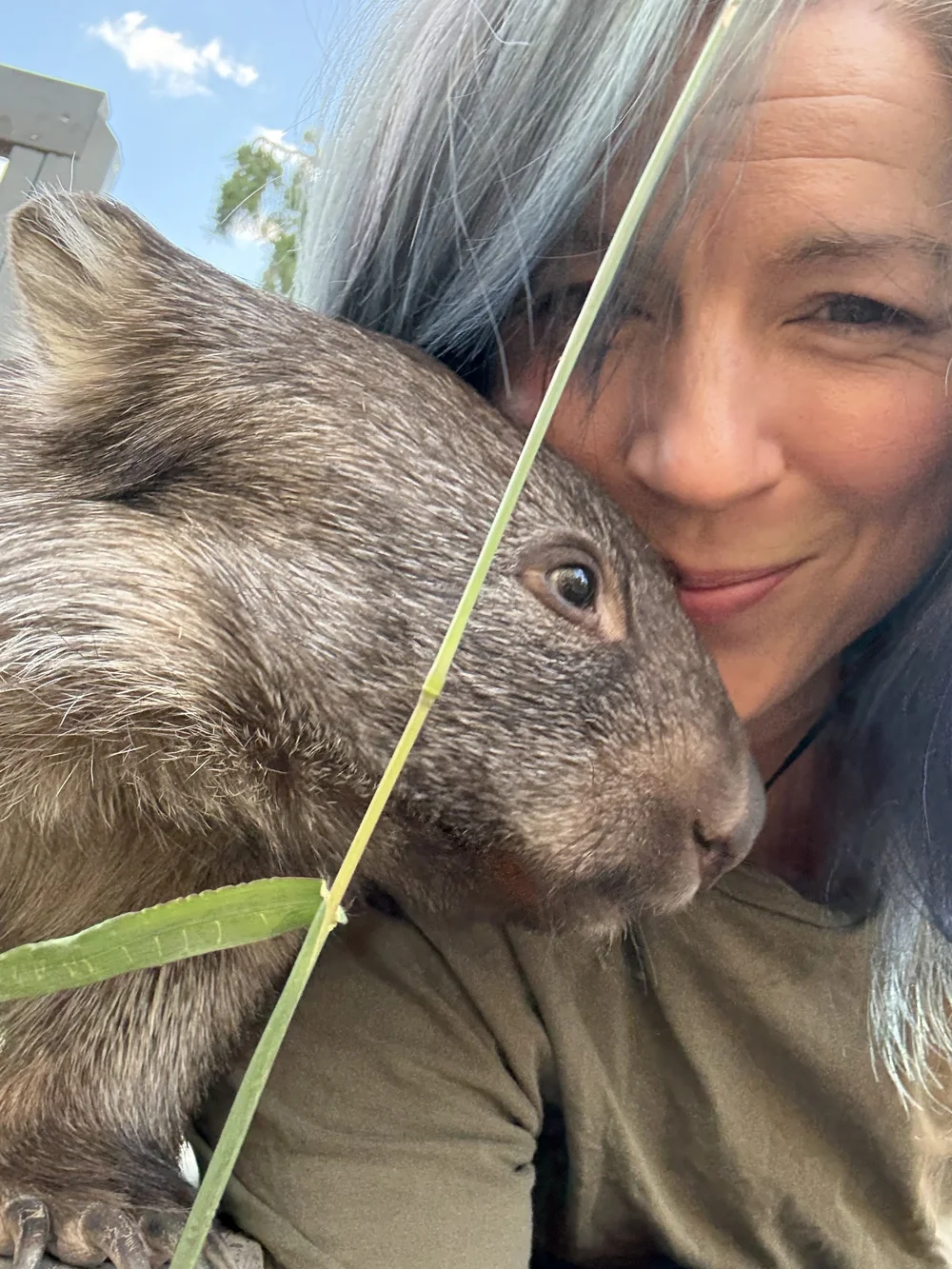
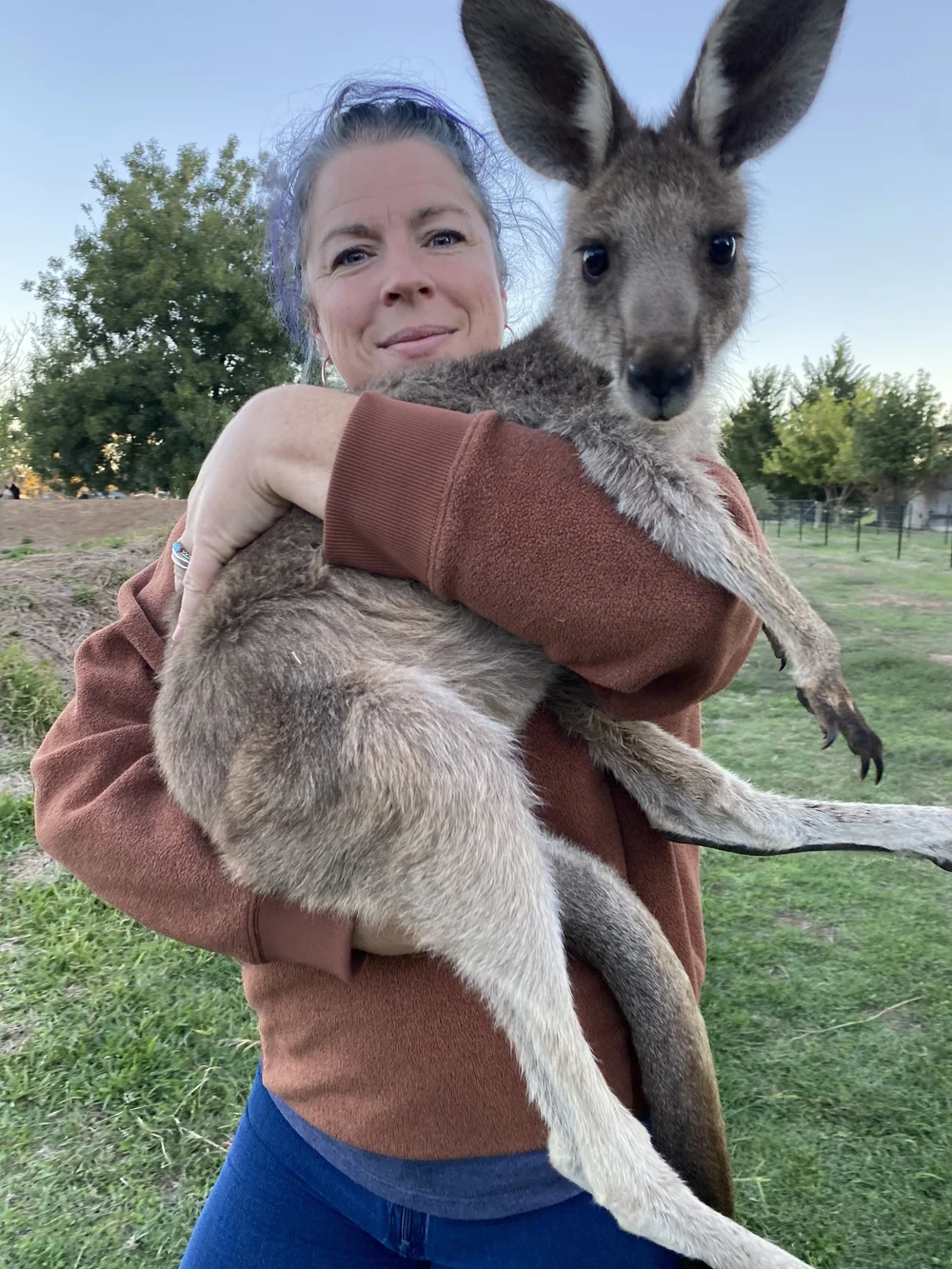
Guided, low-pressure opportunities to take part in supported volunteering at WildSide, our DEECA-licensed native wildlife shelter. This is framed and delivered as community participation, not as a complementary therapy.
Led by registered clinicians
Every clinical session is delivered by an AHPRA-registered physiotherapist and an ESSA-accredited exercise physiologist. That's the reason this can be genuine allied-health capacity building rather than a recreational stay, and it's what lets your Plan Manager stand behind the invoice.
Is this the right fit for your participant?
We want every placement to be safe, successful and entirely stress-free. To make sure we're the right clinical environment for your participant, please review these parameters before submitting an intake request.
- Small group setting. Our clinical sessions run in a small group. We can't cater to participants who need one-to-one clinical support or constant supervision. Participants need to be comfortable and safe within a small group dynamic.
- Support workers and carers. We don't provide one-to-one daily care, personal care, or behavioural intervention. If a participant needs a support worker for daily living tasks, they are entirely welcome, but the support worker needs their own cabin booking. The NDIS generally will not fund a support worker's or carer's accommodation, so that portion is usually self-funded.
- Mobility. We are a working farm. We accommodate many physical needs, but the terrain includes gravel paths and uneven ground. Please discuss specific mobility requirements with us before booking.
- Medical boundaries. We provide physiotherapy and exercise physiology. We do not provide acute psychiatric care, 24/7 medical supervision, or behavioural intervention.
Intake and booking process
- Submit an enquiry. Email us with the participant's goals and the funding categories available in their plan.
- The intake call. We arrange a call with the participant and/or their Support Coordinator to make sure the environment is clinically appropriate and safe for their needs.
- Service Agreement. We draft a detailed Service Agreement mapping our specific therapies to the NDIS goals you've provided.
- Invoicing. Invoices are itemised with exact, compliant line items, with a separate invoice for the grocery co-payment, ready for your Plan Manager to process.
Start an NDIS enquiry
Send us the participant's goals and funding
Support Coordinators, Plan Managers and self-managed participants welcome. The more you tell us here, the faster we can confirm whether we're the right clinical fit and map your line items.
This page is general information, not financial or medical advice, and not a guarantee of NDIS funding. Eligibility and funding are determined by the participant's plan and their Plan Manager or the NDIA. NDIS rules and support categories change; information current as at July 2026. Little Farm of Calm works with self-managed and plan-managed participants.